Finding ways to keep more money in your pocket can sometimes feel overwhelming, especially with all the standard tips out there like cutting back on coffee or making lunch at home. These classic suggestions play a role, but they barely scratch the surface of what’s possible. Real, lasting progress comes from tapping into the lesser-known strategies that can truly make a difference. Everyday routines, payment choices, and shopping habits are filled with small opportunities to build a better budget. In this guide, you’ll uncover simple and creative methods to help boost your savings. With just a few tweaks, you can take meaningful steps toward improving your financial well-being.
The Power of 'Set It and Forget It'
Setting up automatic transfers is a proven way to grow your savings without constantly having to remind yourself. Our minds can talk us into spending more, but automation relies on routines you set up in advance. This approach puts your good intentions on autopilot, letting your money move where it matters most every time you get paid.
Pay Yourself First, Automatically
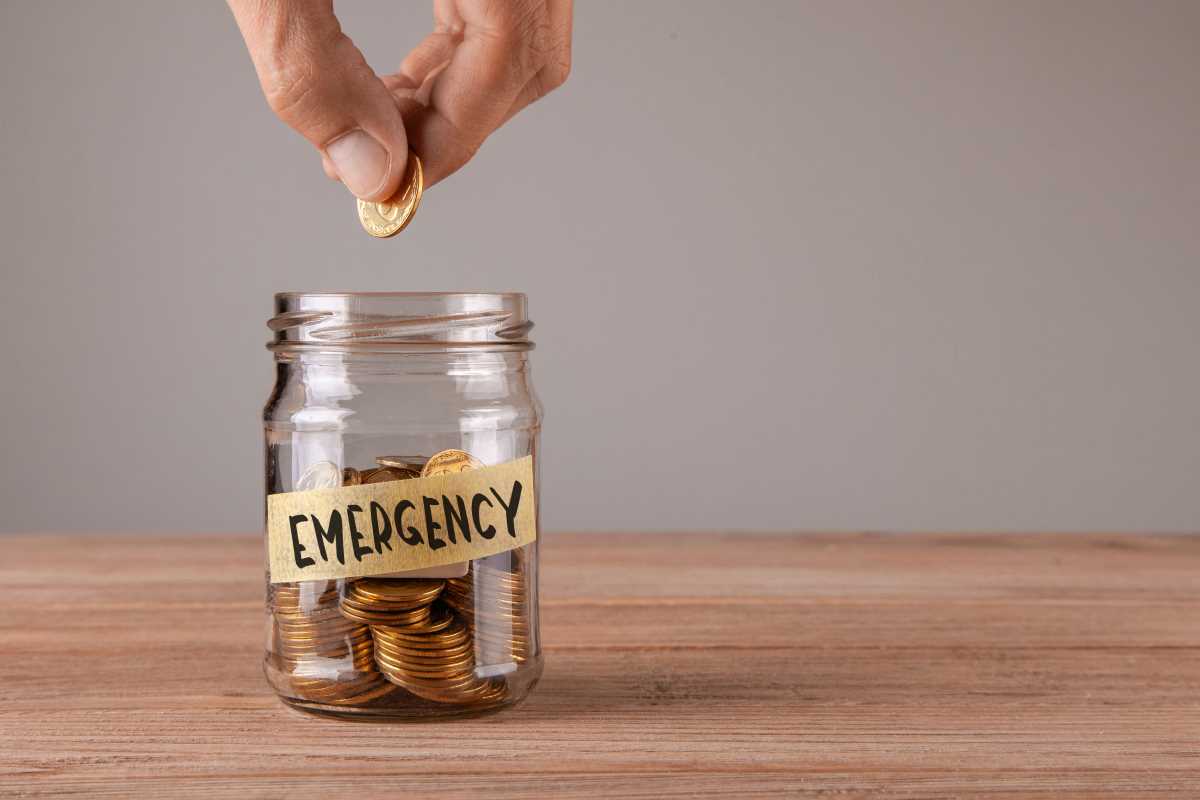
The "pay yourself first" principle means setting aside a portion of your income for savings before covering bills or buying groceries. The trick is to make this process hands-off. Arrange for an automatic transfer from your main account to your savings every payday. Even if you only start with $25 each time, you’ll gradually build momentum. This habit allows your savings to grow quietly in the background, turning a simple action into a stress-free win for your future self. Automated deposits remove the temptation to spend what you planned to save and make progress feel nearly effortless.
The "Round-Up" Method
Many popular banking apps now let you round up debit card purchases to the nearest dollar, automatically moving the extra change into a separate account for later. For example, spending $3.50 on a snack means an extra $0.50 gets set aside for you, bit by bit. Over time, these small amounts really start to add up, all without any extra effort or complicated tracking. This tool quietly helps turn your regular spending patterns into an easy way to boost your savings in the background.
Negotiate Your Recurring Bills
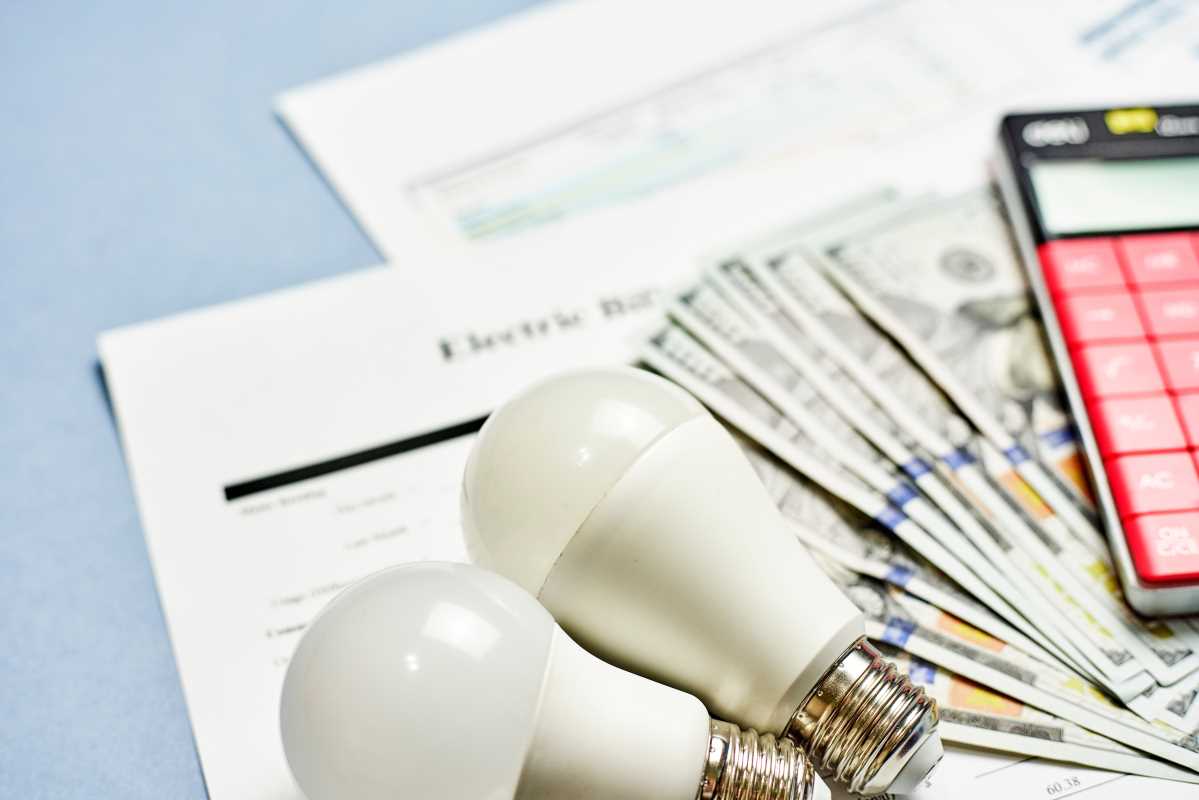
Many folks believe their monthly payments for services like cable, phone, or insurance can’t be changed, but that’s simply not true. Service providers are often willing to make adjustments so they don’t lose loyal customers. Taking time to ask for a better deal could lead to quick savings, making your regular expenses more manageable each month.
The Annual Bill Audit
Block out time once a year to call the companies you use for everyday essentials.
- Cable and Internet: Ask the customer retention department if there are any new promotions you are eligible for. Mentioning that you are considering switching to a competitor can often unlock special loyalty discounts.
- Cell Phone: Review your data usage. You might be paying for an unlimited plan when you only use a fraction of the data. Switching to a lower-tier plan can save you money every month.
- Car Insurance: Your rate can change based on many factors. Calling your provider to ask for a policy review can uncover new discounts you now qualify for, such as those for safe driving or low mileage.
Just an hour of calling around can leave you with extra cash in your pocket by year’s end. Simply asking the right questions can lead to helpful cuts in your expenses, so it’s always worth a try.
Rethink Your Grocery Shopping Strategy
Trips to the grocery store often lead to buying more than you planned, thanks to tempting displays and marketing tricks. Adjusting a few habits in how you shop can help stretch your dollars further.
The 'Up and Down' Rule
Supermarkets place pricier, more well-known brands right at eye level, grabbing your attention first. Top and bottom shelves are where you’ll often come across store and lesser-known generic options, many of which match big brands in quality but often cost less. Get in the habit of taking a full look up and down each shelf instead of quickly reaching for what stands out in the middle. That extra glance can lead to worthwhile savings and a shopping cart filled with better value.
Beware of "Shrinkflation"
"Shrinkflation" is a sneaky tactic where brands reduce package sizes or portions but leave the price unchanged. For example, a familiar box of crackers could quietly lose a few ounces even though the packaging looks the same. Getting wise to this trick is easier than you think: start checking the unit price, which is usually listed on the shelf tag. This tiny line tells you exactly how much you pay per ounce, pound, or item. By comparing unit prices across brands and sizes, you get a true sense of value, helping you avoid falling for packaging changes and make smart choices every time you shop.
Master the 30-Day Rule for Big Purchases
Impulse buying easily derails your efforts to save. That new gadget or stylish jacket may seem like a must-have in the moment, but the initial thrill often disappears, leaving you with less in your wallet and more stuff you might not really need. The 30-day rule is a simple yet effective mental trick that can help you take control of your spending.
How It Works
For any purchase that isn’t truly essential and is over a set amount (for example, $100), use a 30-day waiting period before following through. Jot down what you want and the date you first considered it. Spending a month thinking it over gives you the chance to do some research, compare prices, and really decide how important it is to you. Most of the time, by the time a month passes, the urge to buy fades and you may realize you didn’t need it after all. This pause helps you make more thoughtful choices and gives your rational side a chance to step in before making a decision.
Unlock the Potential of Your Library Card
Your neighborhood library is a surprisingly overlooked resource for cutting costs and adding value to your everyday life. It’s far more than just a place to borrow books. That small card in your wallet can take the place of many paid streaming and reading subscriptions, helping you trim regular expenses without sacrificing fun or entertainment.
Free Digital Entertainment
Many public libraries now team up with digital platforms that unlock a huge variety of media for cardholders at no cost.
- E-books and Audiobooks: Apps like Libby and Hoopla connect to your library card and let you borrow the latest bestsellers and audiobooks directly to your phone or tablet for free.
- Movies and TV Shows: Services like Kanopy offer a curated collection of thousands of films, from classic cinema to modern documentaries, all available to stream for free.
- Digital Magazines: You can often get free access to digital versions of popular magazines, saving you money on newsstand prices or subscriptions.
Instead of signing up for another paid media subscription, take a moment to explore what your library already provides. There’s a good chance you’ll discover a surprising lineup of free entertainment options, all easily accessible and ready to enjoy.
The 'No-Spend' Challenge
A "no-spend" challenge involves pausing any purchases that aren’t truly necessary for a set period. The timeline is up to you. You could do a weekend, a week, or even a full month. The idea isn’t about going without; it’s a mindful way to step back and observe your usual habits with a new perspective. Participating helps you press reset, making it easier to spot areas for improvement. By cutting out unnecessary buys for a little while, you can reconnect with what’s most important, break cycles of mindless shopping, and get a fresh start on your approach to money.
Why It Works
This challenge encourages you to make the most of what’s already on hand. Instead of heading to the store, you might get creative in the kitchen with pantry staples, pick up old projects, or enjoy cost-free outings like a hike or walk in the park. Along the way, you’ll become much more conscious of every purchase you typically make. Once the pause ends, you’re likely to shop with a sharper sense of purpose, recognizing the difference between what truly adds value and what’s just an impulse. As a bonus, holding off on extra spending leaves you with extra cash you can use for goals that matter most to you.
Building a brighter financial future isn’t reserved for those with huge paychecks or those willing to live on next to nothing. Lasting results come from small, mindful choices you make every day. Put automatic savings in place, revisit regular expenses, and rethink how you shop to regain a sense of control over your money. By putting these lesser-known ideas into action, you can make progress and still enjoy life. Try adopting just one or two of these tips in the coming days. You’ll soon see how steady, intentional habits are the real driving force behind reaching your financial goals. The journey to greater savings starts with simple steps you can take today.